
Flavor is not a single note. It is a system.
Every cacao harvest can present a distinct sensory profile. The Organoleptic Flower makes that profile easier to discuss—from broad flavor families to specific recorded notes.
How to read
the flower.
The Organoleptic Flower turns sensory analysis into four connected layers. Isolate a layer, rotate it, then return to the complete profile.
Selected layer
Complete flower
Select any layer to isolate it and read its role in the sensory system.
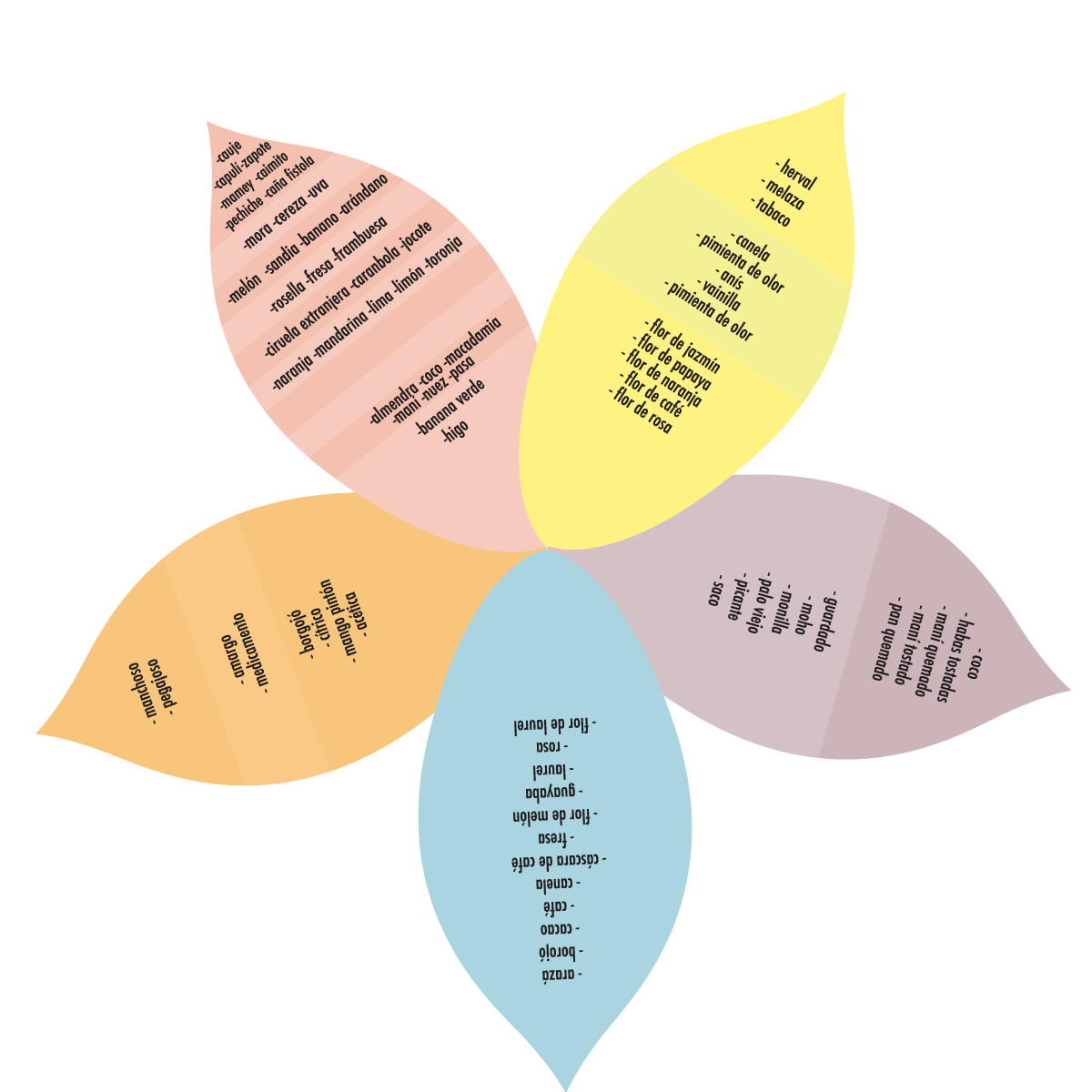
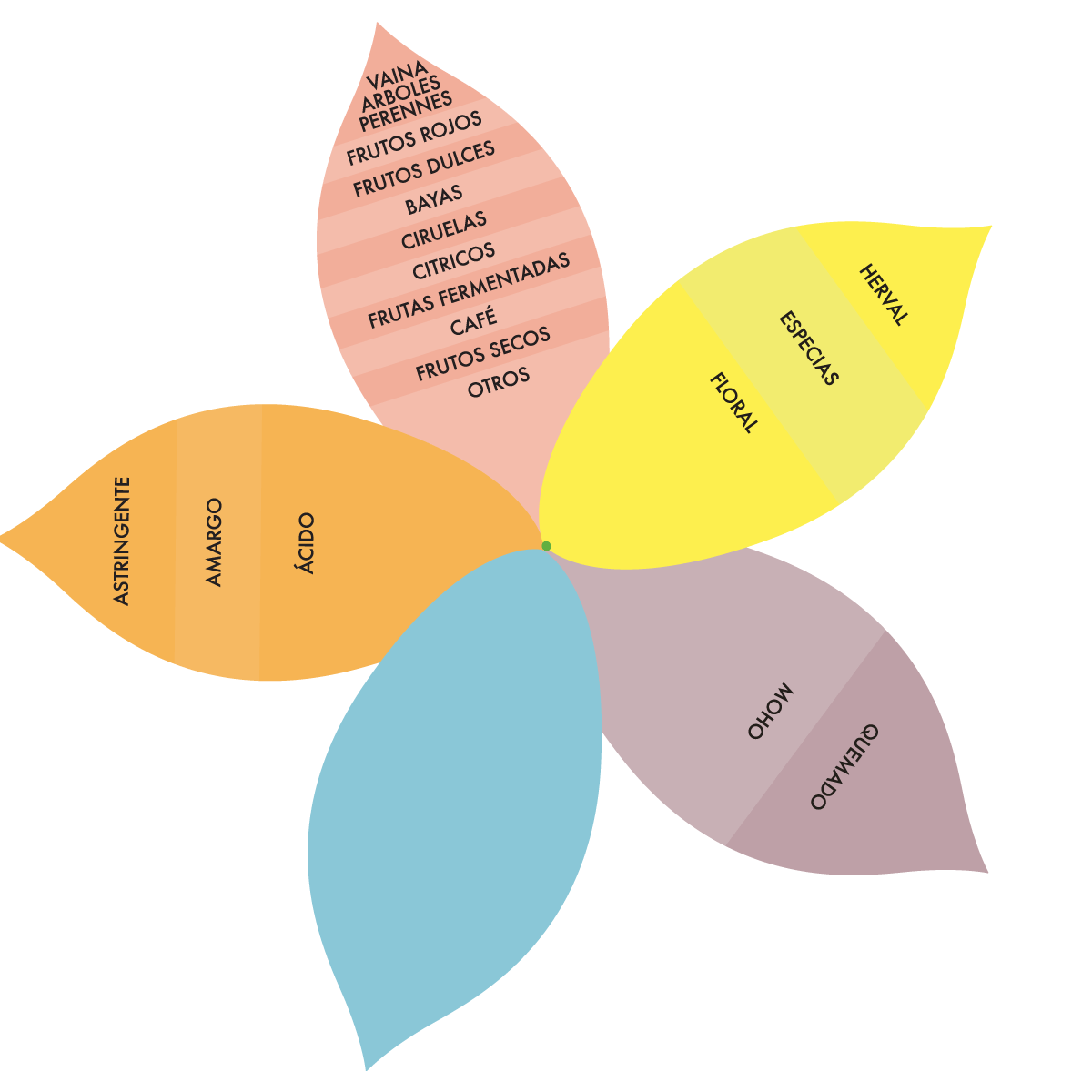
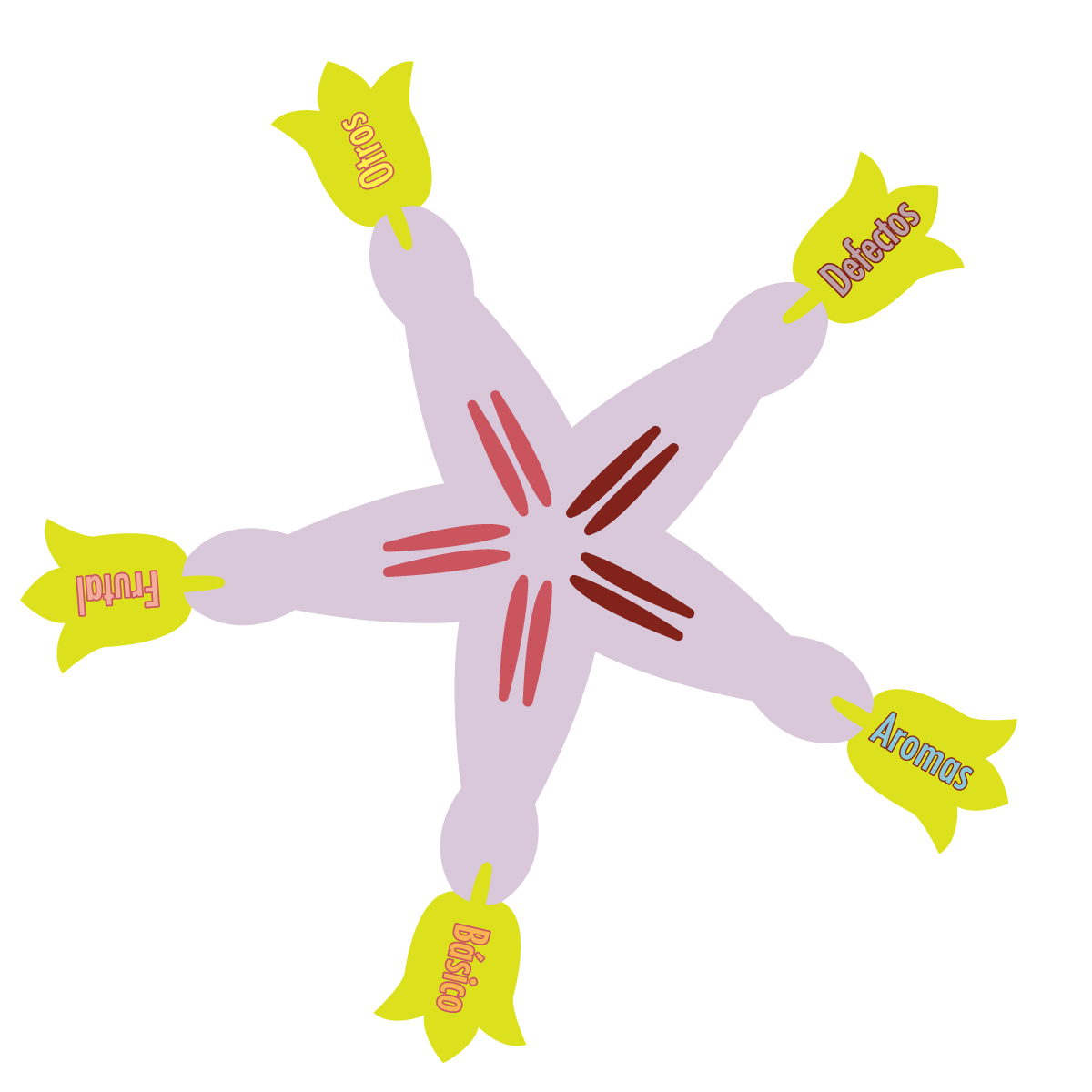

Tap a layer to isolate it. Drag around the center to rotate.
Text guide to the four layers
- Outer petals: The broad sensory foundation: fruity, floral, nutty, spiced, and related families.
- Intensity scale: A radial scale representing the recorded intensity of each sensory family.
- Specific notes: The precise aromas and flavors behind a general family—from citrus and plum to wood or spice.
- The core: The central pin connects the layers into one reading of a cacao sample.
A shared language for buyer and producer.
Use the flower to isolate what a sensory term means, then reconnect it to the whole cacao profile.
The audited source describes four visual layers. The formal tasting protocol, evaluator, lot relationship, and axis semantics still need documentation before the visual becomes a claim about a specific commercial lot.
Discuss a cacao profile